Advertorial

5 Reasons Why Users Prefer Near Infrared Light to Try Lifting Brain Fog

Liam Pingree | Co-Founder

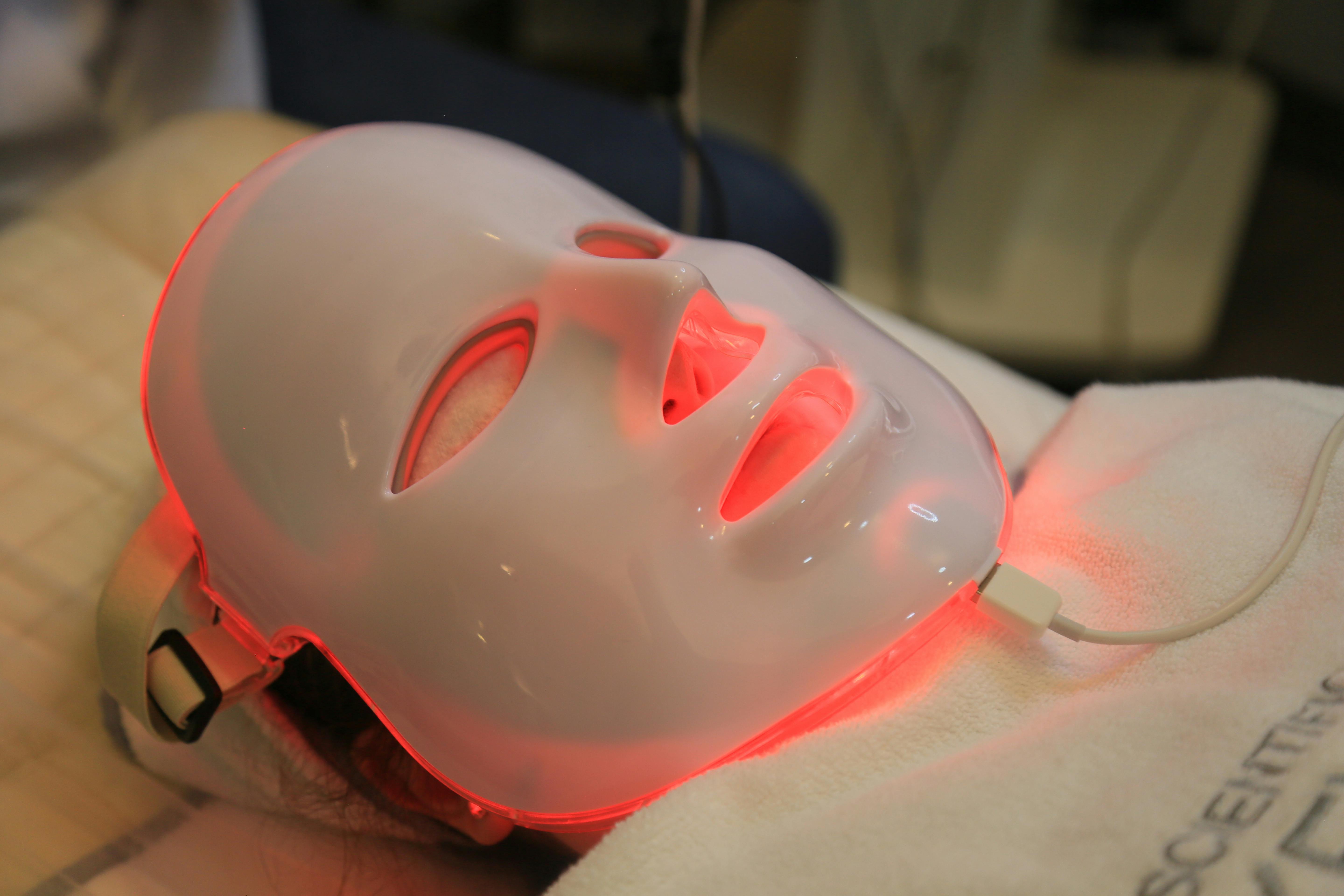
A typical red light therapy mask for the face uses the same mechanism "photobiomodulation"
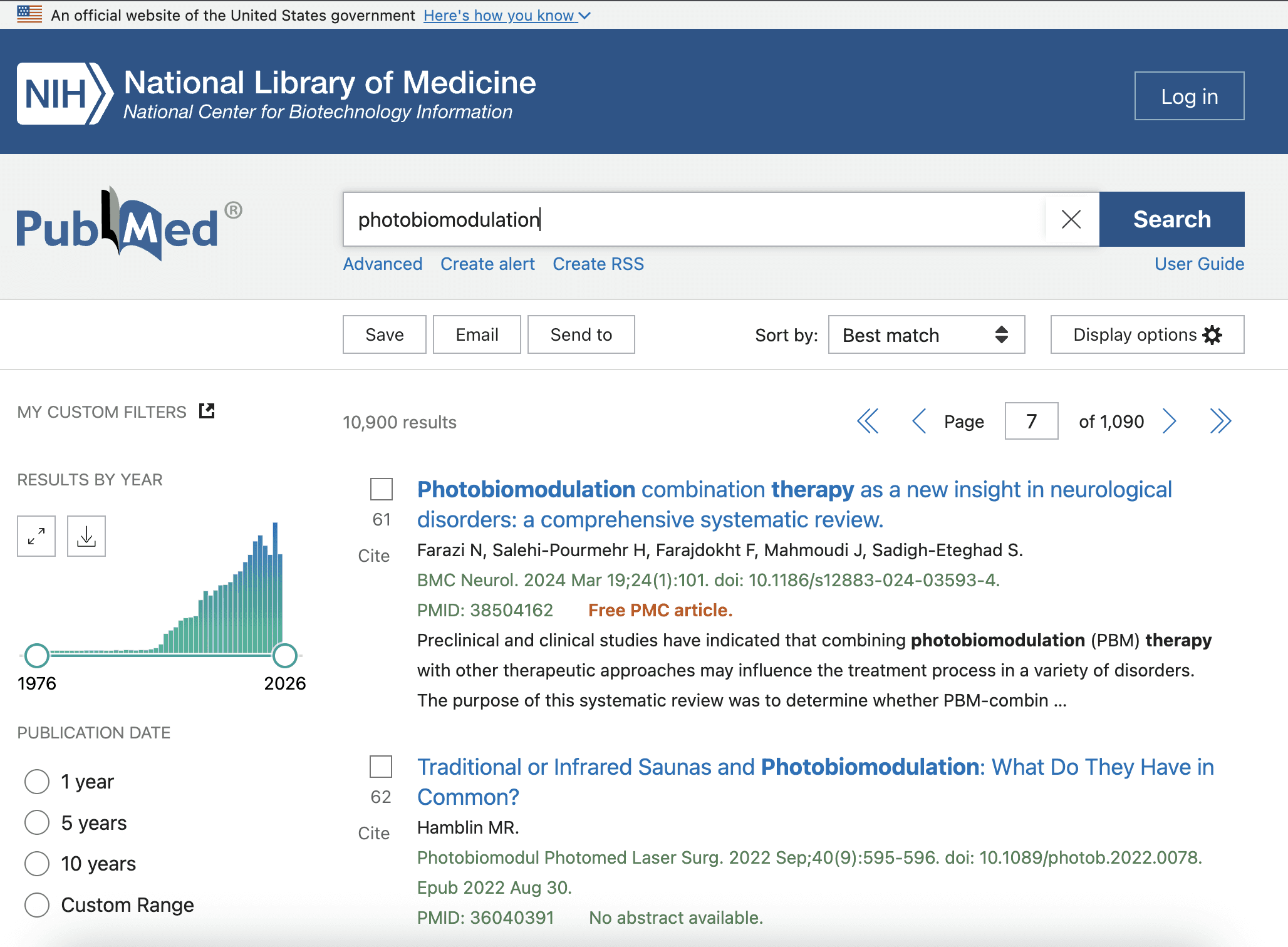
A screenshot taken from PubMed, the official website of the United States Government. Link
It is widely researched with over 10,000 studies on"photobiomodulation."
Infrared and near-infrared light therapy, known scientifically as photobiomodulation, is one of the most studied topics in non-pharmaceutical brain health:
10,800 + articles on photobiomodulation are listed in PubMed, the U.S. National Library of Medicine’s research database.
Of these, 1,560 + papers look specifically at infrared light and memory. (4)(5).
When a therapy has thousands of peer-reviewed studies in PubMed, it’s no longer “fringe”, it’s a growing scientific field.
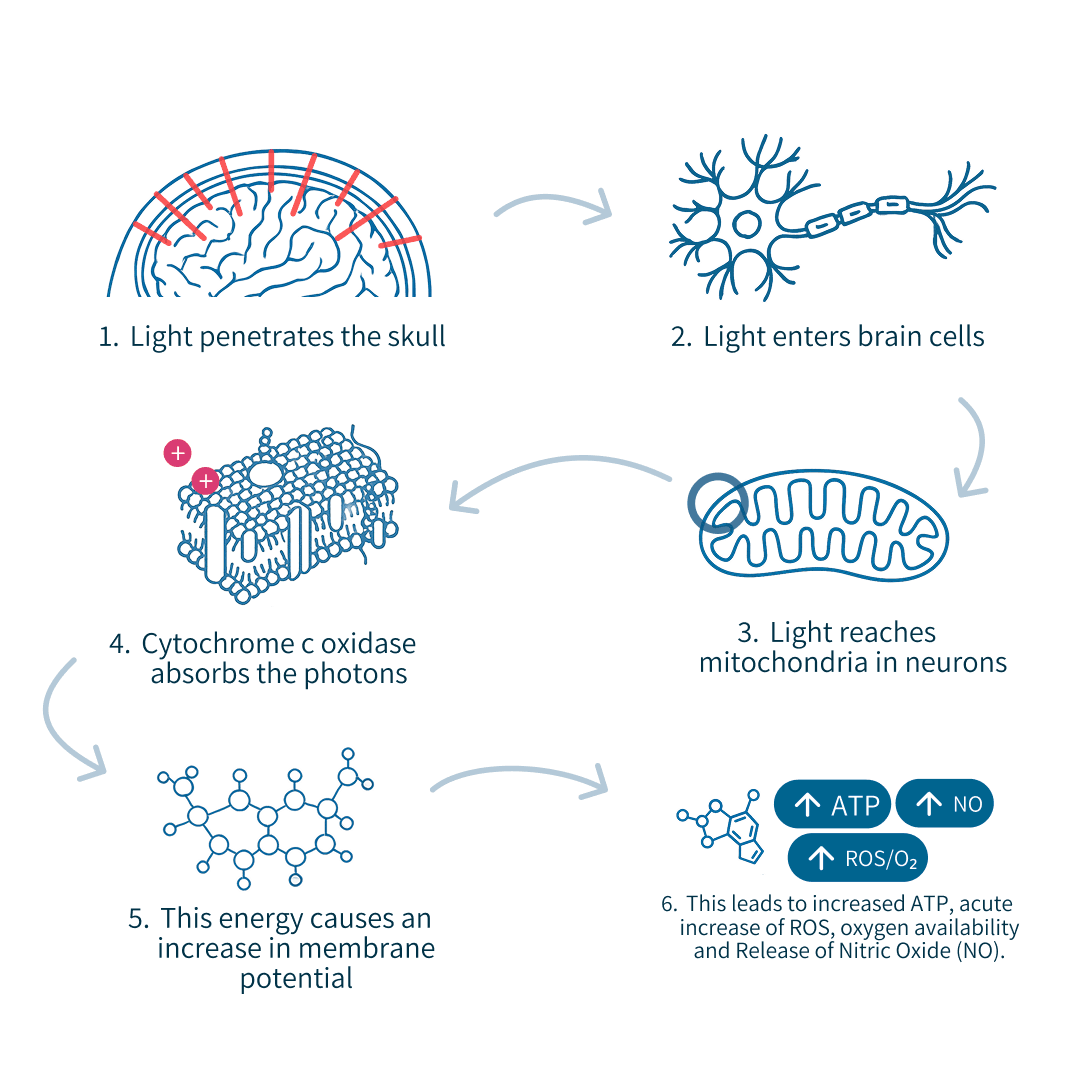
Unlike other short-term fixes, infrared light therapy (photobiomodulation) works at the cellular level to support the brain’s energy metabolism and vascular health.
PBM stimulates mitochondrial activity through the enzyme cytochrome c oxidase, leading to increased ATP production, needed for processing communication and memory formation.
Additionally, PBM enhances cerebral blood flow, delivering oxygen and nutrients vital for neuroregeneration.(6)(7).
By improving cellular energy, reducing neuroinflammation, and supporting neuroplasticity, PBM helps you address brain fog at its root, not just mask the symptoms.(2)(8).

There is almost no life-form that does not need sunlight to survive.
Nearly all life on Earth depends on light, except a few rare deep-sea microbes. For humans, light powers vital processes that support your brain’s health, including:
Toxin removal
Cell repair and regeneration
Energy production (ATP)
Neuroplasticity
...and much more.
The problem?
Modern life keeps us chronically light-deprived. Around 105 million adults (~40%) are vitamin D deficient, half (~50 million) likely due to too little sunlight, especially in winter or for those mostly indoors. This widespread deficiency highlights just how disconnected we are from natural light.
The lack of sunlight doesn’t just affect Vitamin D, it may also contribute to fatigue, poor sleep, and memory decline (7)(8)(16). While it’s not the only factor behind brain fog, it’s a clear signal that our brains aren’t getting the light they need.
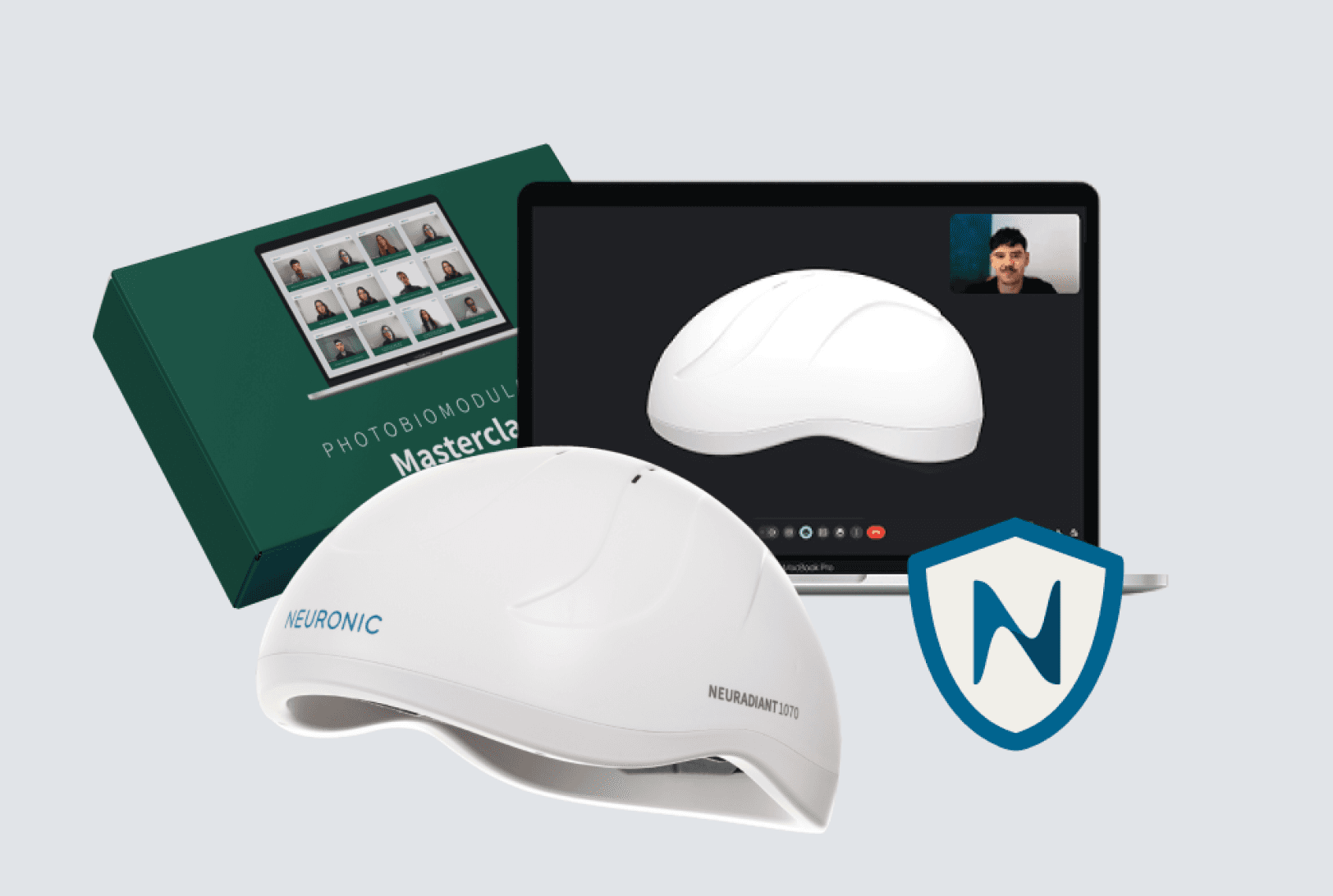
Most light therapy devices use 660 nm (red) or 810 or 850 nm (near-infrared) light, but Neuronic uses 1070 nm, a deeper-penetrating wavelength proven to reach brain tissue more effectively. (9)(10)
Have you tried sharing pills or supplements without paying more? It doesn't work, right?
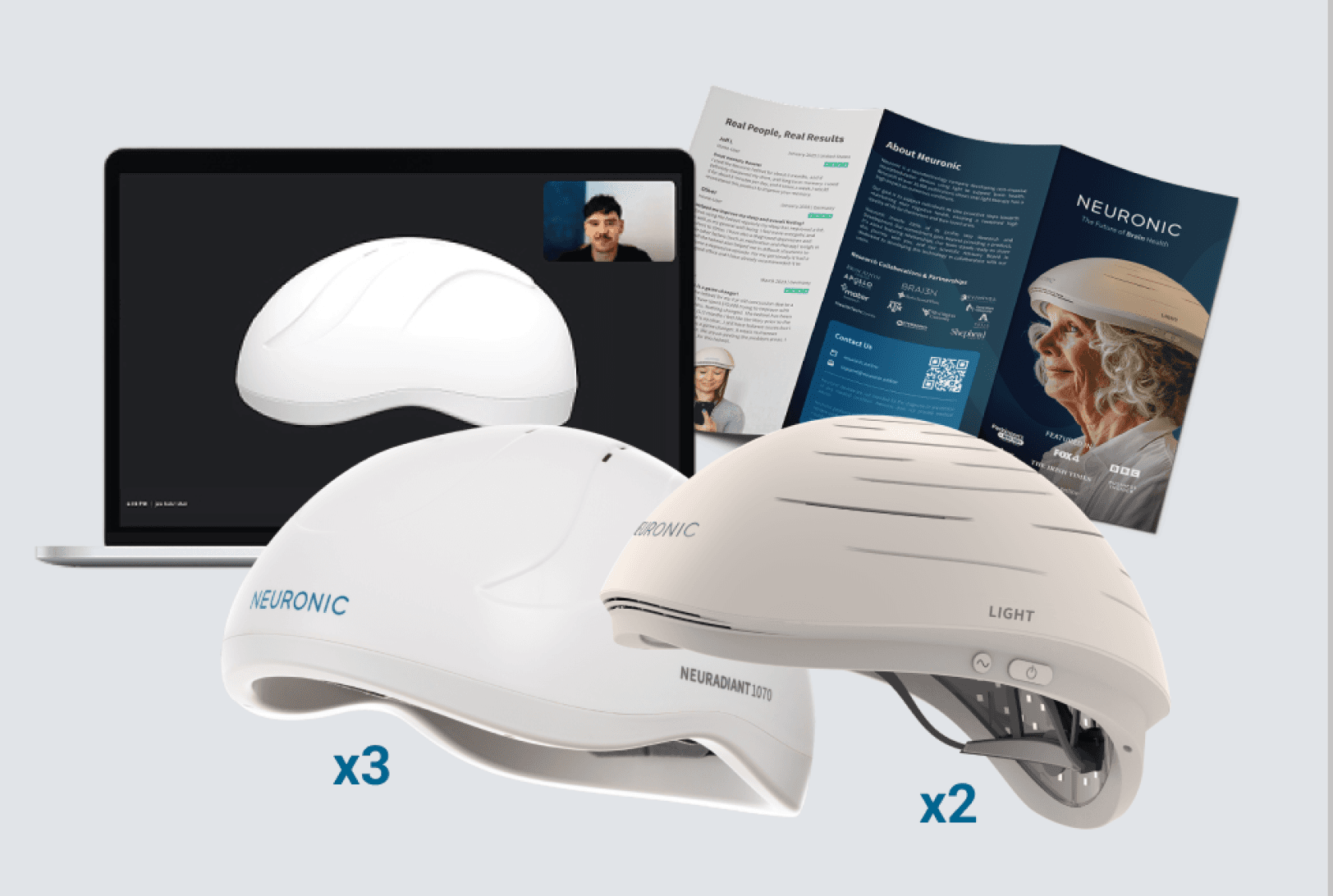
The good news is one photobiomodulation helmet can be used by multiple people in your household like your spouse, kids, friends or even the caretaker.
According to a 2024 survey, 40% of brain supplement users reported spending $51 per month on supplements and 34.2% $200/month.
If a household of 4 spends $50 per month on brain health supplements, that’s $600 per year per person, or $2,400 a year for a family of four.
Instead, you can make a one-time investment of $1,795 in a device everyone can use.
That’s over $5,000 saved in just two years, with consistent brain support for the whole family.(13)
Thousands of home users & clinicians already use tPBM & most experience a significant improvement within weeks.
Many users begin noticing improvements in focus, recall, or clarity within just a few weeks. The more consistently you use it, the more benefits tend to build over time.(12)


Rodríguez-Fernández L. et al. (2024). Photobiomodulation for cognitive decline and aging: preclinical and clinical evidence. PubMed
Pan W. et al. (2023). Advances in photobiomodulation for cognition, memory, and attention. PMC
Zhao C. et al. (2022). Transcranial photobiomodulation enhances visual working memory. Science Advances
Maghfour J. et al. (2024). Overview of photobiomodulation mechanisms and applications. PubMed
Lipko A. (2022). Evolutionary and clinical overview of PBM across spectra. PubMed
Nairuz H. et al. (2024). PBM activates cytochrome c oxidase, increasing ATP and gene expression. PubMed
Hamblin MR. (2017). PBM modulates inflammation and boosts ATP, nitric oxide. PubMed
Pan W. et al. (2023). (Same as reference 2)
Gaggi N.L. et al. (2025). tPBM’s potential to improve sleep, wakefulness, and cognition. Frontiers in Behavioral Neuroscience
Ibrahimi O.A. & Delrobaei M. (2022). NIR laser penetration ~1 cm into cortex. arXiv
Li Z. et al. (2024). NIR-II tPBM is safe and neuroprotective. arXiv
Zhu Ziman et al. (2025). Meta-analysis: PBM improves global cognition, working memory, attention. Lasers in Medical Science
Prajapati P. Individual Beliefs and Experiences With Brain Health Dietary Supplements: Spending and Side Effects Reported by Users. Journal of the Academy of Nutrition and Dietetics, 2024. PubMed
