Your Results:
Photobiomodulation
might not be for you!
If you answered yes to any of the contraindication questions let us explain why tPBM is not necessarily recommended for you:
If you answered yes to any of the contraindication questions let us explain why tPBM is not necessarily recommended for you:
If you answered yes to any of the contraindication questions let us explain why tPBM is not necessarily recommended for you:
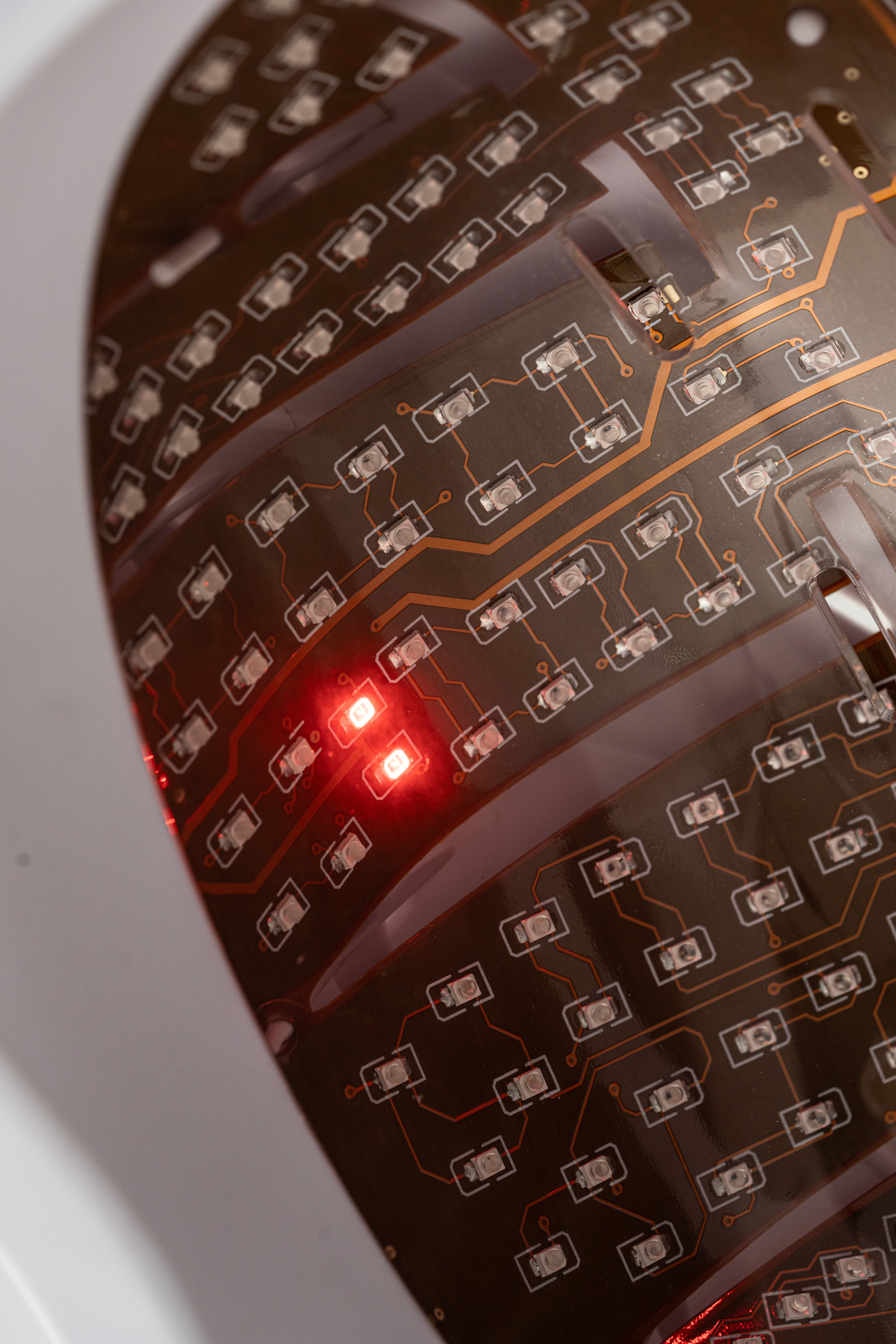
Metal in the head can be heated up by the photons and cause damage to the surrounding tissues. Titanium is excluded from this as a contraindication due to its unique heating properties. Depending on the circumstances, the corresponding quadrant(s) of the Neuradiant 1070 helmet could be turned off, to prevent the area with metal from heating. However, we recommend consulting with your health care professional before purchasing the device.
Metal in the head can be heated up by the photons and cause damage to the surrounding tissues. Titanium is excluded from this as a contraindication due to its unique heating properties. Depending on the circumstances, the corresponding quadrant(s) of the Neuradiant 1070 helmet could be turned off, to prevent the area with metal from heating. However, we recommend consulting with your health care professional before purchasing the device.

Cancer, Malignant Tissue, Active Carcinoma & Brain Tumors
The research around using PBM for cancer is unclear so we list cancer/malignant tissue/active carcinoma, and brain tumors as contraindications due to the potential of the light to result in angiogenesis or the proliferation of cancer cells throughout the body.
The research around using PBM for cancer is unclear so we list cancer/malignant tissue/active carcinoma, and brain tumors as contraindications due to the potential of the light to result in angiogenesis or the proliferation of cancer cells throughout the body.

PBM increases blood flow to the brain, which may be harmful for hemorrhagic disorders. If you have experienced a hemorrhagic stroke, we recommend waiting 3 months post stroke or having evidence of a clear CT scan to ensure no further bleeding will occur. In both cases, we recommend consulting with a health care professional before using PBM.
PBM increases blood flow to the brain, which may be harmful for hemorrhagic disorders. If you have experienced a hemorrhagic stroke, we recommend waiting 3 months post stroke or having evidence of a clear CT scan to ensure no further bleeding will occur. In both cases, we recommend consulting with a health care professional before using PBM.
Hyperthyroid conditions
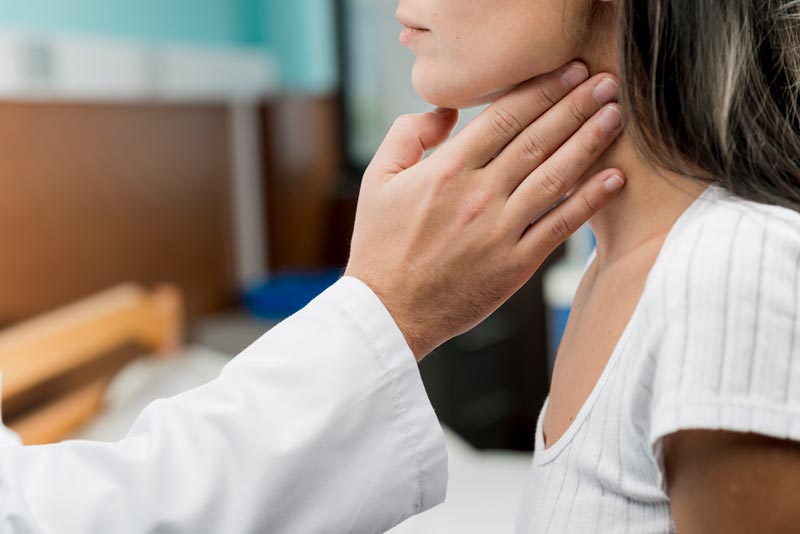
PBM can be seen to increase thyroid activity. While Neuronic devices are not directly applied to the thyroid, systemic effects may still ensue. We recommend consulting with a health care professional before using our devices.
PBM can be seen to increase thyroid activity. While Neuronic devices are not directly applied to the thyroid, systemic effects may still ensue. We recommend consulting with a health care professional before using our devices.

Pregnancy
Due to lack of research on using PBM while pregnant, we recommend consulting with a health care professional before using our devices.
Due to lack of research on using PBM while pregnant, we recommend consulting with a health care professional before using our devices.

Since Neuronic’s devices are using light therapy, we recommend consulting with a health care professional if you are on any medications causing light sensitivity before using PBM.
Since Neuronic’s devices are using light therapy, we recommend consulting with a health care professional if you are on any medications causing light sensitivity before using PBM.
References
Hamblin MR. Shining light on the head: Photobiomodulation for brain disorders. BBA Clinical. 2016;6:113–124.
Hennessy M, Hamblin MR. Photobiomodulation and the brain: A new paradigm. Journal of Optics. 2017;19(1):013003.
Salehpour F, et al. Transcranial photobiomodulation improves cognitive performance in aged mice. Neuroscience. 2018;373:135–150.
Salehpour F, et al. Transcranial photobiomodulation therapy for cognitive impairment: A systematic review. Molecular Neurobiology. 2020;57:1596–1615.
Chan AS, et al. Photobiomodulation improves memory and attention in healthy adults. Journal of Alzheimer’s Disease. 2019;67(2):1–12.
Chao LL, et al. Effects of transcranial photobiomodulation on cognitive function and brain activity in long COVID. Journal of Biophotonics. 2023;16(2):e202200391.
Yang L, et al. Transcranial near-infrared light reverses cognitive impairment in mouse models. Neurobiology of Aging. 2024.
Caldieraro MA, Cassano P. Transcranial photobiomodulation for major depressive disorder. Psychiatric Clinics of North America. 2019;42(3):417–432.
Hamblin MR. Shining light on the head: Photobiomodulation for brain disorders. BBA Clinical. 2016;6:113–124.
Hennessy M, Hamblin MR. Photobiomodulation and the brain: A new paradigm. Journal of Optics. 2017;19(1):013003.
Salehpour F, et al. Transcranial photobiomodulation improves cognitive performance in aged mice. Neuroscience. 2018;373:135–150.
Salehpour F, et al. Transcranial photobiomodulation therapy for cognitive impairment: A systematic review. Molecular Neurobiology. 2020;57:1596–1615.
Chan AS, et al. Photobiomodulation improves memory and attention in healthy adults. Journal of Alzheimer’s Disease. 2019;67(2):1–12.
Chao LL, et al. Effects of transcranial photobiomodulation on cognitive function and brain activity in long COVID. Journal of Biophotonics. 2023;16(2):e202200391.
Yang L, et al. Transcranial near-infrared light reverses cognitive impairment in mouse models. Neurobiology of Aging. 2024.
Caldieraro MA, Cassano P. Transcranial photobiomodulation for major depressive disorder. Psychiatric Clinics of North America. 2019;42(3):417–432.
Hamblin MR. Shining light on the head: Photobiomodulation for brain disorders. BBA Clinical. 2016;6:113–124.
Hennessy M, Hamblin MR. Photobiomodulation and the brain: A new paradigm. Journal of Optics. 2017;19(1):013003.
Salehpour F, et al. Transcranial photobiomodulation improves cognitive performance in aged mice. Neuroscience. 2018;373:135–150.
Salehpour F, et al. Transcranial photobiomodulation therapy for cognitive impairment: A systematic review. Molecular Neurobiology. 2020;57:1596–1615.
Chan AS, et al. Photobiomodulation improves memory and attention in healthy adults. Journal of Alzheimer’s Disease. 2019;67(2):1–12.
Chao LL, et al. Effects of transcranial photobiomodulation on cognitive function and brain activity in long COVID. Journal of Biophotonics. 2023;16(2):e202200391.
Yang L, et al. Transcranial near-infrared light reverses cognitive impairment in mouse models. Neurobiology of Aging. 2024.
Caldieraro MA, Cassano P. Transcranial photobiomodulation for major depressive disorder. Psychiatric Clinics of North America. 2019;42(3):417–432.
Neuronic devices are not medical devices nor intended to diagnose, treat or prevent any disease. These statements have not been evaluated by the Food and Drug Administration.
Our product cannot guarantee the same effects on each individual. There are no known side effects of using our device. We advise you to consult a medical professional and conduct your own research before using our device. The information presented on our website is not a substitute to the advice of a licensed healthcare practitioner.
© 2026 Neuronic. All rights reserved.

Neuronic devices are not medical devices nor intended to diagnose, treat or prevent any disease. These statements have not been evaluated by the Food and Drug Administration.
Our product cannot guarantee the same effects on each individual. There are no known side effects of using our device. We advise you to consult a medical professional and conduct your own research before using our device. The information presented on our website is not a substitute to the advice of a licensed healthcare practitioner.
© 2026 Neuronic. All rights reserved.
Neuronic devices are not medical devices nor intended to diagnose, treat or prevent any disease. These statements have not been evaluated by the Food and Drug Administration.
Our product cannot guarantee the same effects on each individual. There are no known side effects of using our device. We advise you to consult a medical professional and conduct your own research before using our device. The information presented on our website is not a substitute to the advice of a licensed healthcare practitioner.
© 2026 Neuronic. All rights reserved.