
Your Results:
Photobiomodulation could be a good option for you!
Studies have shown infrared light therapy might be helpful across these areas:

PBM has demonstrated promising effects on memory through mechanisms that support neuronal energy metabolism and synaptic plasticity. Animal studies show improved protection against age- and stress-related memory decline [3,7]. In humans, small randomized and pilot studies suggest transcranial PBM may improve working memory and recall, particularly in older adults and individuals with mild cognitive impairment [4,5].

Brain Fog
Brain fog is a non-specific cognitive symptom involving reduced mental clarity, slowed processing speed, and impaired concentration. PBM’s anti-inflammatory and mitochondrial-enhancing effects make it a plausible intervention for this symptom cluster. Preclinical and mechanistic research suggests PBM can improve cerebral metabolism and reduce neuroinflammation, mechanisms relevant to cognitive dysfunction [1,2]. A small pilot study found that the Neuradiant 1070 improved symptoms of brain fog in individuals with long COVID, including improvements in attention, reaction time, executive function, and normalized brain activity patterns [6]. These findings suggest photobiomodulation may be a safe, non-invasive approach to supporting cognitive recovery following COVID-19. Transcranial PBM has also been shown to reverse cognitive impairment in mouse models, further supporting its neurorestorative potential [7].
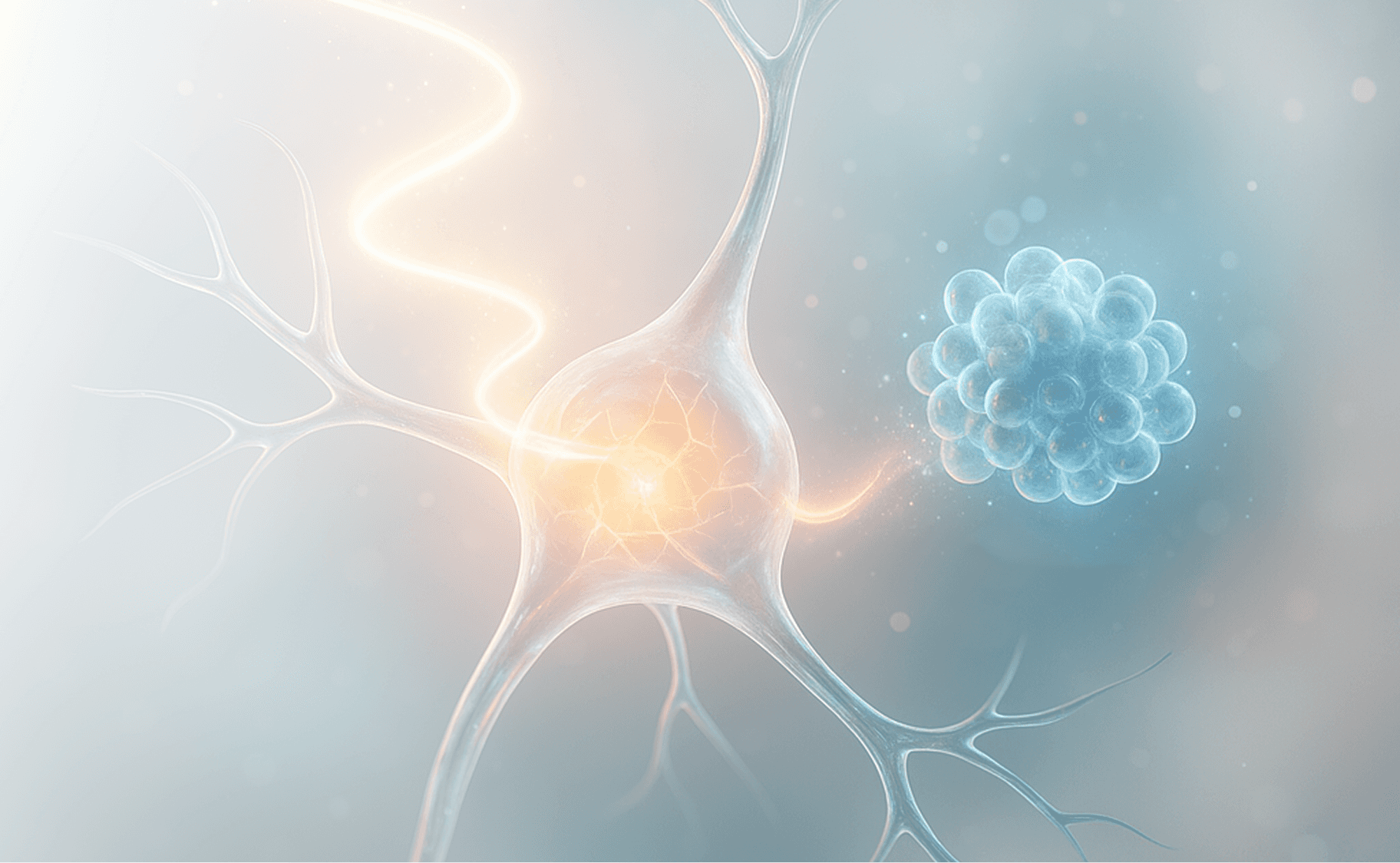
One of the most robust and consistently replicated effects of PBM is enhancement of mitochondrial efficiency and energy production. PBM increases ATP synthesis and supports metabolic efficiency in cells, including neurons [1]. This improved cellular energy availability provides a biological explanation for reported reductions in mental fatigue and improvements in perceived energy and stamina following PBM interventions [2].

Sleep quality is tightly linked to brain energy metabolism and glymphatic clearance. PBM has been shown to increase cerebral blood flow and mitochondrial activity in cortical tissue, processes that influence sleep–wake regulation [2]. Early human studies report improvements in sleep quality and sleep efficiency following repeated transcranial PBM sessions [4].
Attention and executive function appear responsive to PBM, particularly when light is applied to prefrontal cortical regions. Human studies report improvements in sustained attention, reaction time, and executive task performance following acute or short-term PBM exposure [5,4].

6.Users report noticeable improvements in brain fog, focus, and mental clarity
PBM has been investigated as a non-invasive intervention for mood disorders, particularly depression. Randomized controlled trials and narrative reviews indicate that transcranial PBM can reduce depressive symptoms compared with sham treatment in some populations [8]. Proposed mechanisms include increased prefrontal cortical metabolism, modulation of inflammatory cytokines, and neurotrophic signaling.
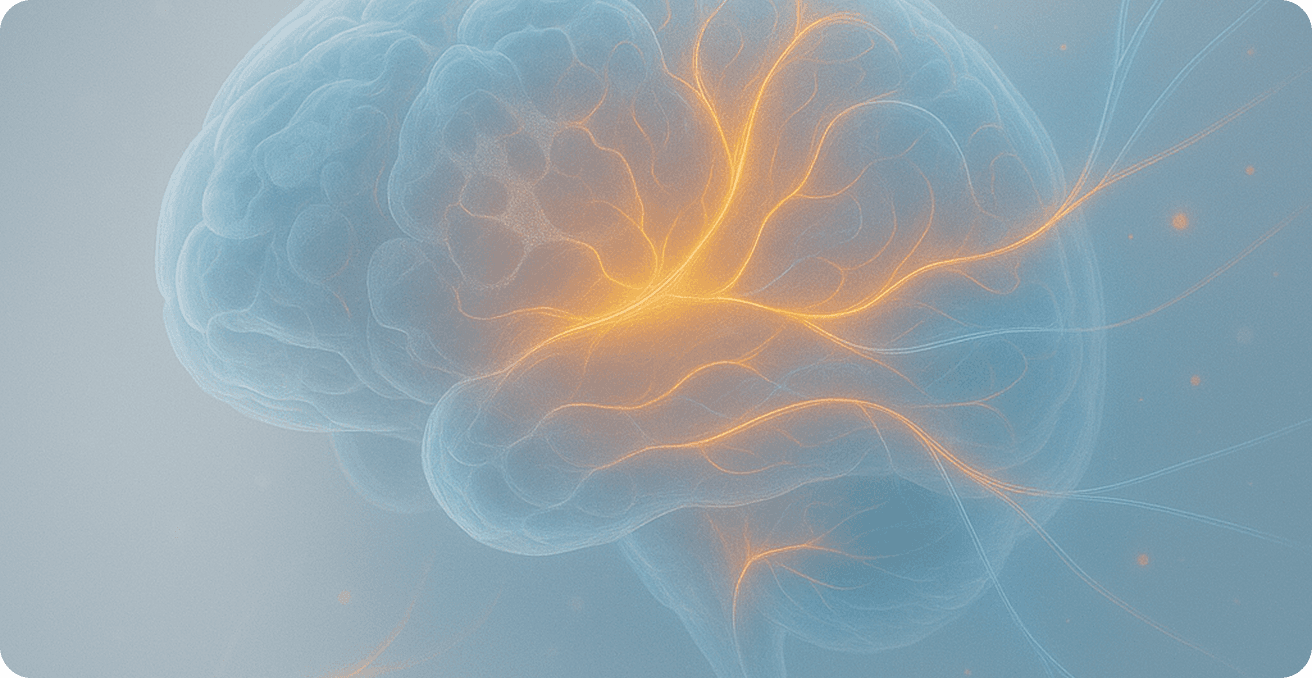
Attention and executive function appear responsive to PBM, particularly when light is applied to prefrontal cortical regions. Human studies report improvements in sustained attention, reaction time, and executive task performance following acute or short-term PBM exposure [5,4].

PBM has been associated with short-term improvements in cognitive performance metrics such as reaction time, attention, and working memory [5]. These effects are thought to reflect enhanced cerebral oxygenation, metabolic efficiency, and reduced neural fatigue.
